


Purveyor to the Royal Court of Sweden
The title of Royal Warrant Holder is today one of Sweden’s strongest marks of quality within craftsmanship and design. King Carl XVI Gustaf has 130 Royal Warrant Holders, and he alone grants the title. Ekelund Linneväveri was awarded it in 2023, but our relationship with the Swedish Royal Court goes much further back. Since 1878, we have supplied Swedish textiles to the Court, woven in Horred with the same care and craftsmanship as always.
The title of Royal Warrant Holder is not something one applies for lightly or can purchase. The commission must come from the Court, the company must have been in operation for at least five years, maintain sound financial standing, and demonstrate a structured approach to environmental responsibility. For Ekelund, sustainability is not an external requirement – it is something we have worked with long before it became a condition.
The Royal Warrant can be withdrawn at any time. For Ekelund, carrying it is therefore a promise we must earn every day – through quality, craftsmanship, and a genuine commitment to the Swedish textile industry.
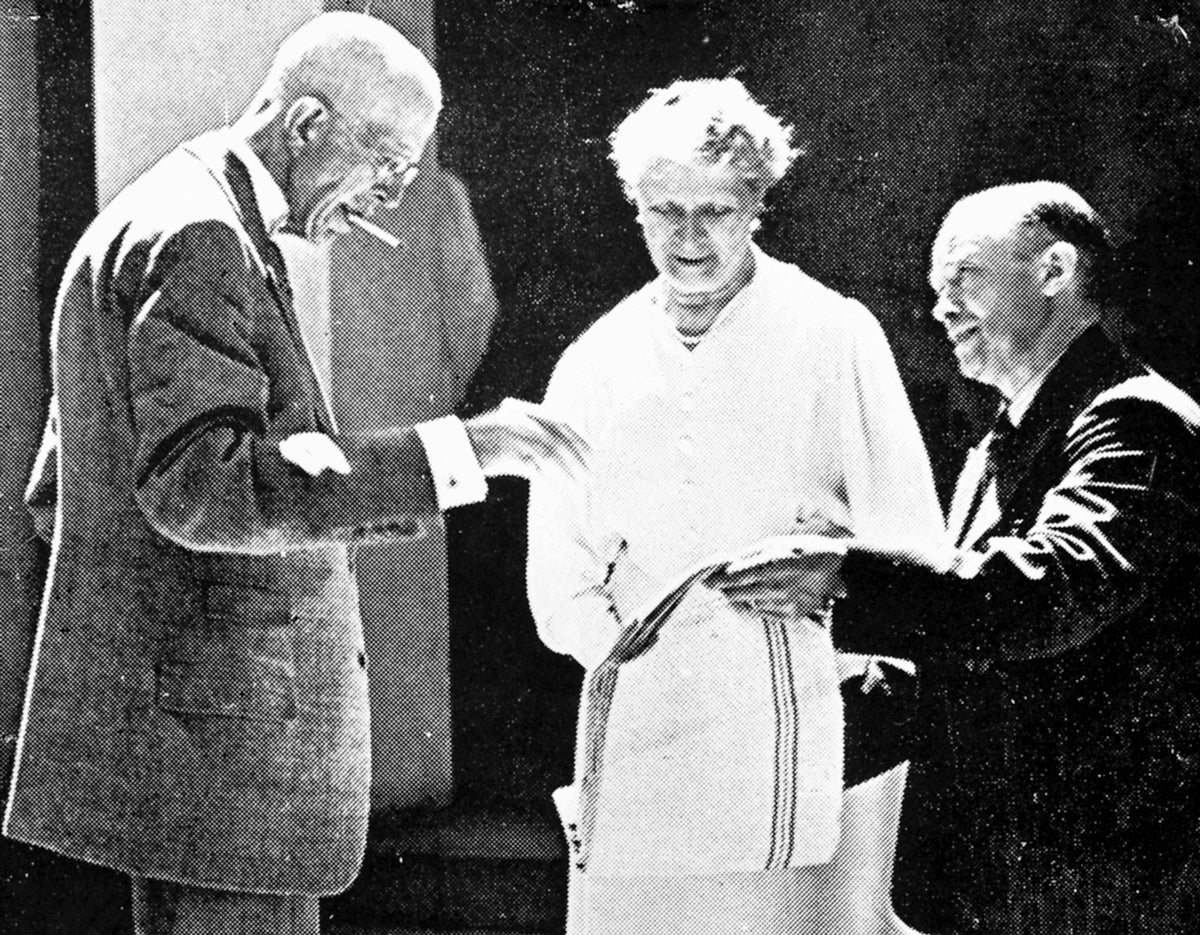
Gustaf V meets representatives from Ekelund. In the image, we see the salesman Hartvig presenting linen from the weaving mill.
Being a Royal Warrant Holder is not only an honour for us as a company. The distinction also comes with high demands on quality, environmental responsibility and tradition.
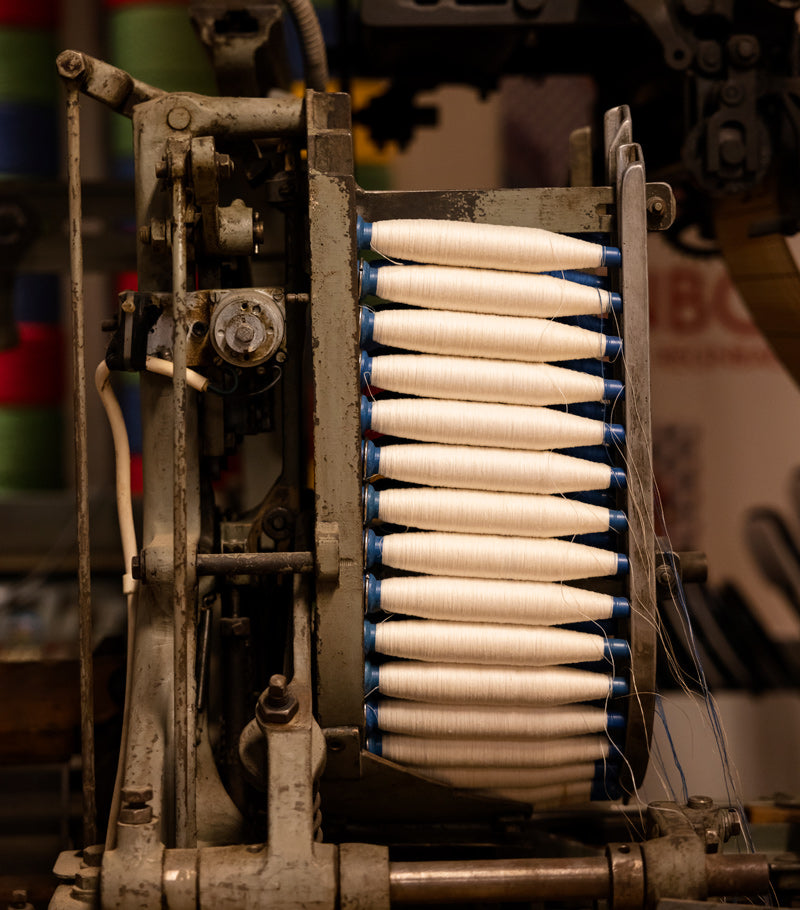
To qualify, one must have supplied products to the Royal Court over a long period of time, as this is not an award that can be purchased, but one that requires dedication and strong values.
We see the Royal Warrant as both a recognition and a motivation to continue weaving high-quality textiles and to drive the development of the Swedish textile industry.
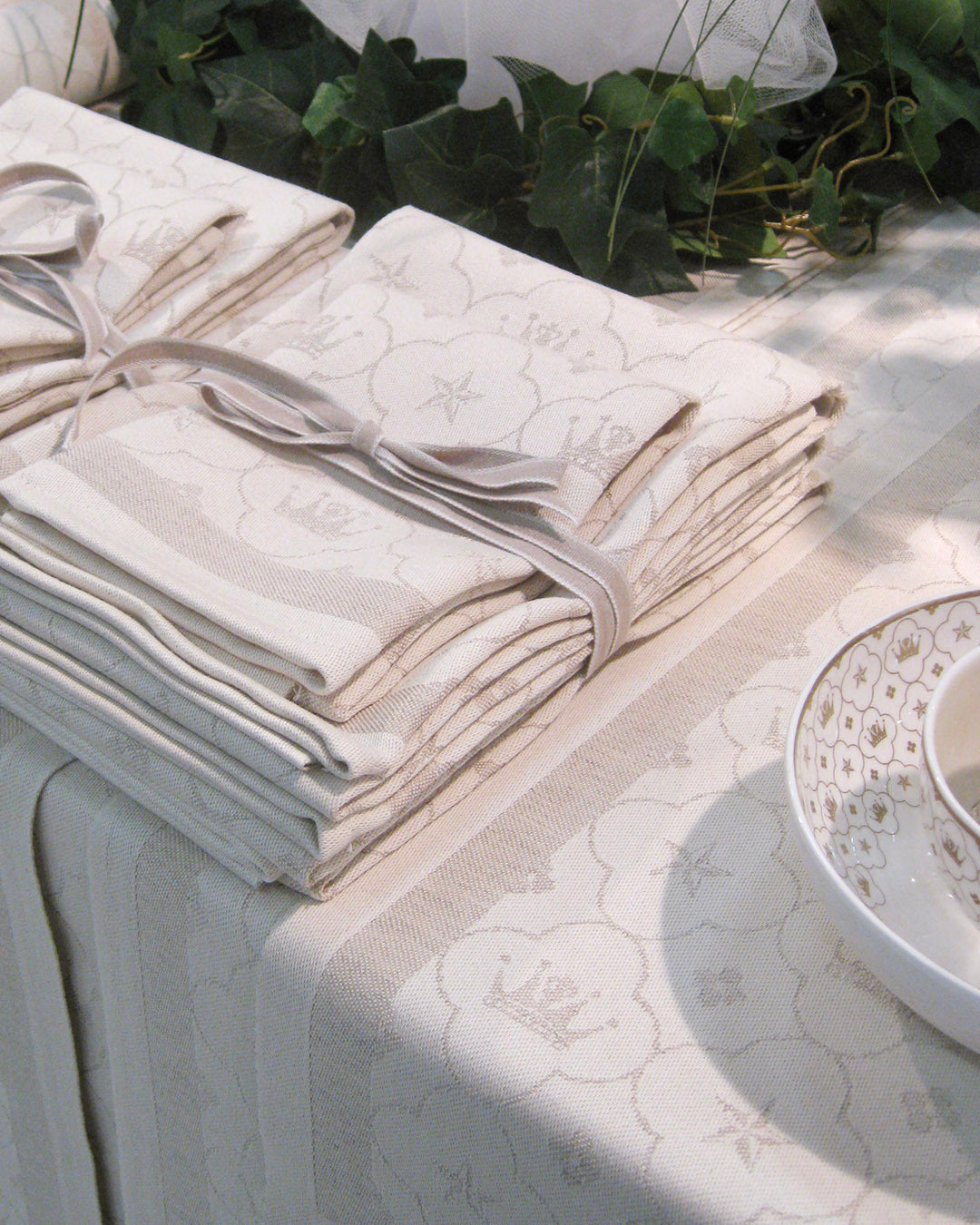
For the royal wedding of Crown Princess Victoria and Daniel, Ekelund was one of the suppliers to the official wedding collection. The history of the pattern dates back to 1846, when King Oscar I and Queen Josephina renovated the Hall of State. The interior, including the pattern, was designed by Fredrik Wilhelm Scholander.
Since then, the pattern has been slightly simplified and in 2010 became the wedding pattern of the Crown Princess couple.